Examining the Upsides of Using Bulk Trucking for Your Transportation Requirements
Moving goods in bulk presents a strategic option for companies looking to make their logistics more efficient. Through shipment consolidation, companies can achieve substantial reductions in cost and decrease their ecological impact. Moreover, this approach provides improved reliability and flexibility in shipping arrangements - Illinois top rated Bulk Trucking. Given the evolution of logistics management changes, grasping the specifics of bulk trucking is vital for staying competitive. What other advantages might this approach reveal for modern businesses?
Cost Savings Through Economies of Scale
While numerous companies are dealing with increasing shipping expenses, bulk freight provides significant cost savings through economies of scale. When combining loads, organizations minimize the per-unit cost of transportation, as greater volumes enable better utilization of assets such as fuel and labor. This optimization leads to reduced total costs, thereby positioning bulk haulage as a favorable solution for companies seeking to streamline their supply chain.
Furthermore, bulk transport reduces the number of necessary journeys, which helps lower expenses even more associated with vehicle maintenance and driver wages. Companies can negotiate better rates with haulers when committing to larger volumes, helping them realize decreased transport costs. Consequently, firms may dedicate their cost reductions towards different parts of the business, improving their market position. In the end, the economic advantages of bulk trucking establish it as a key strategy for businesses striving for better financial results while keeping logistics running smoothly.
Minimizing Environmental Harm
This method plays a major role in a reduced environmental impact, making it an eco-friendly choice for shipping. When combining deliveries, bulk transport reduces the number of trips required to deliver goods, which thereby reduces fuel consumption and greenhouse gas emissions. The streamlined approach to moving substantial volumes of goods results in a lower vehicle count, lessening traffic jams and strain on public works.
Additionally, numerous bulk transport providers are implementing greener methods, such as deploying energy-saving fleets and optimizing routing to further decrease their carbon footprint. Implementing sophisticated tools get details on this in the supply chain also aids in tracking pollution and boosting operational performance. Given that corporations are emphasizing sustainability more, opting for bulk trucking helps environmental initiatives but also aligns with corporate social responsibility goals. As a result, bulk transport acts as an effective answer for firms aiming to minimize their environmental damage and still satisfying their delivery demands.
Better Transit Times and Trustworthiness

When companies choose bulk trucking for moving their goods, they usually benefit from better transit times and increased dependability. This transport option is engineered to efficiently move large amounts of cargo, cutting down on the necessary journeys. Through combining loads, businesses can reduce holdups related to staging and destaging, resulting in quicker delivery speeds.
In addition, bulk trucking typically involves fewer stops, which streamlines the delivery process. A lot of bulk transport firms use modern logistics and tracking systems, offering live status reports that enhance transparency and accountability. This level of visibility helps businesses plan more effectively, confirming timely product arrival.
Furthermore, bulk transport's dependability is strengthened by seasoned operators and regularly maintained equipment, reducing the risk of breakdowns or delays. As a result, firms can trust bulk hauling services to meet their shipping deadlines consistently, which ultimately boosts client happiness and strengthening commercial ties.
Enhanced Load Capacity and Flexibility
While numerous transport choices limit the size of the load, bulk shipping delivers increased cargo capacity enabling businesses to move large amounts of products in one trip. This capability is particularly beneficial for industries that must transport massive volumes, including mining, construction, and agriculture. With specialized vehicles designed for bulk materials, companies can streamline their transport operations, minimizing the hauls necessary for delivery.
Furthermore, bulk trucking provides flexibility in load configuration, handling different kinds of materials, like grains, liquids, and powders. This adaptability enables businesses to respond to fluctuating demands and effectively handle their logistics network without losing hauling power. By taking advantage of bulk trucking's flexibility and capacity, businesses can streamline their operations, minimize transportation costs and ensure a more dependable shipping procedure. In the end, this choice offers a viable answer for companies seeking to maximize shipping efficiency and satisfy client demands.
Efficient Supply Chain Operation
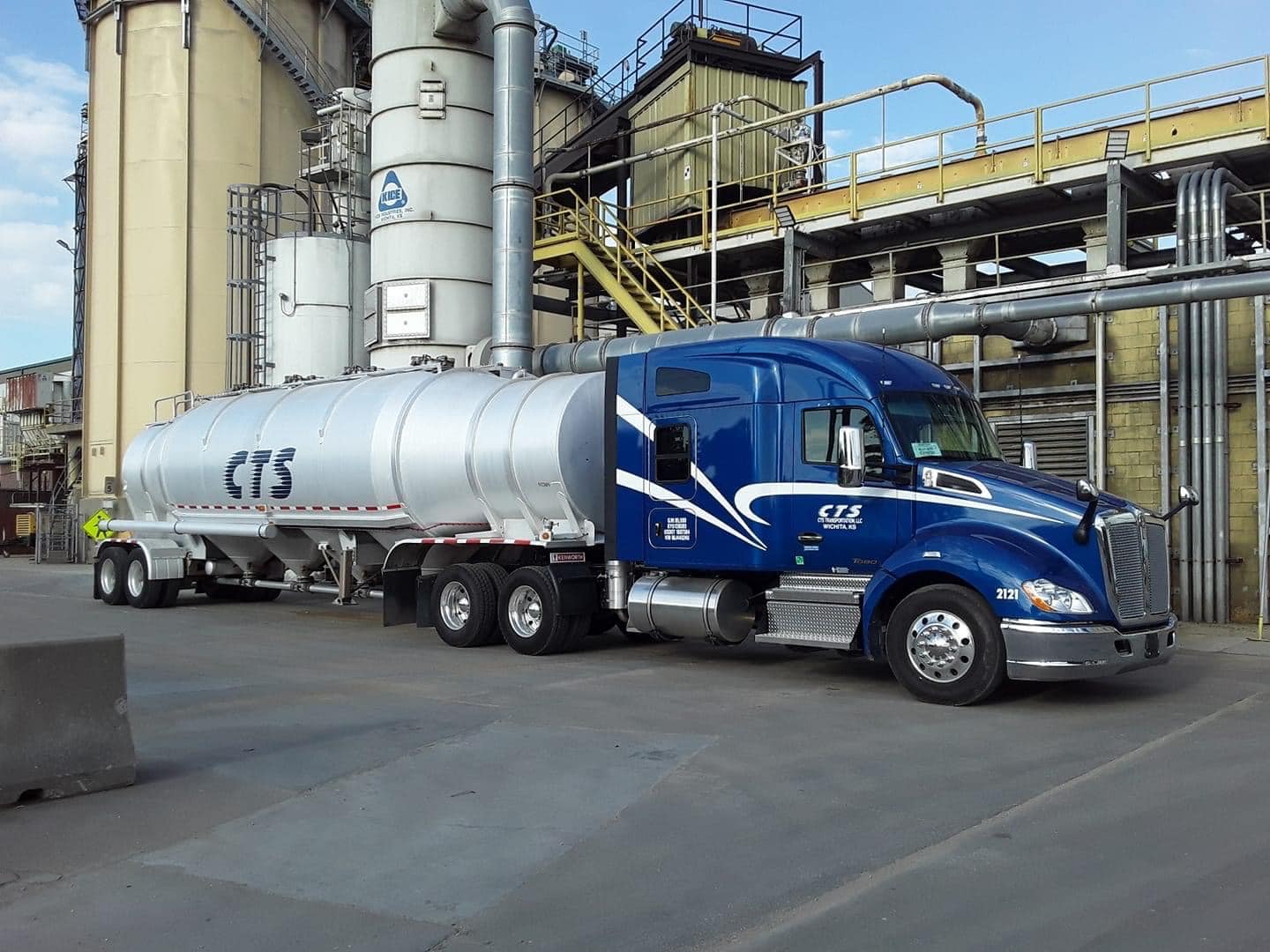
Optimized logistics coordination becomes increasingly achievable with the addition of bulk trucking into transport processes. By combining loads, businesses can reduce transportation costs and enhance timeliness. Bulk trucking allows for the shipping of larger quantities of goods in reduced travel, reducing the hassle of handling many separate loads. This efficiency enables improved stock control, as companies can receive and distribute products with greater speed.
In addition, bulk trucking improves coordination and collaboration among SCM stakeholders. With less transporters utilized, monitoring deliveries is easier, leading to improved visibility and more rapid responses to potential problems. The dependability of bulk trucking also makes certain that goods arrive at their destinations in prime condition, minimizing the possibility of damage or hold-ups. Overall, integrating bulk trucking into supply chain strategies promotes a more integrated and streamlined transport system, helping companies and their clientele equally.
Questions and Answers
What Cargo Is Most Appropriate for Mass Transport?
Bulk trucking is ideal for transporting large quantities of goods such as farm produce, raw materials, industrial compounds, and groceries. These goods gain from efficient, cost-effective shipping methods, reducing handling and decreasing transit expenses.
What Is the Process for Finding a Dependable Transport Company?
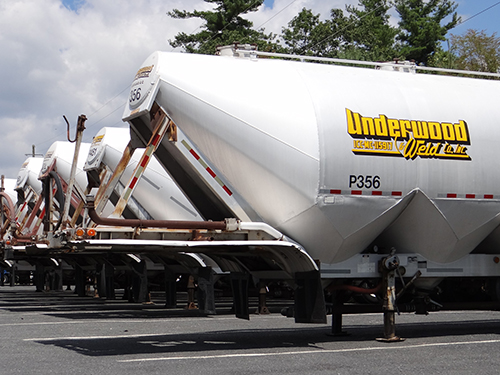
To find a trustworthy logistics firm, one should research online reviews, seek recommendations from industry peers, check necessary permits, and compare quotes - Illinois top rated Bulk Trucking. Moreover, checking the hauler's background and truck capacity is essential for making a sound choice
What is the Typical Delivery Period for Bulk Shipments?
The standard shipping duration for bulk shipments typically ranges from 24 to 72 hours, based on the mileage, traffic situations, and the kind of goods. Changes in these elements can affect delivery schedules considerably.
Are There Weight Restrictions for Bulk Trucking Loads?
Yes, bulk trucking loads typically have weight restrictions, which change regionally and equipment used. Illinois top rated Bulk Trucking. Rules guarantee security and regulatory conformity, usually capping loads to around 40 tons for typical commercial vehicles on interstates
Are Bulk Carriers Accommodate Temperature-Controlled Freight?
Certainly, bulk trucking is able to handle goods requiring climate control by utilizing specific gear, including refrigerated trailers. This ability ensures that sensitive products preserve their necessary climate throughout the journey, preserving freshness and integrity.