Investigating the Merits of Selecting Bulk Trucking for Moving Your Goods
Bulk trucking provides a smart solution for organizations striving to improve their supply chain. By grouping deliveries, companies can achieve substantial reductions in cost and reduce their environmental footprint. Additionally, bulk transport ensures enhanced trustworthiness and versatility in shipping arrangements - Illinois top rated Bulk Trucking. Given the evolution of logistics management changes, grasping the specifics of bulk trucking is vital for keeping an advantage. What other advantages might this approach reveal for today's organizations?
Lowering Costs Using Economies of Scale
While numerous companies are dealing with increasing shipping expenses, this method delivers significant cost savings through large-scale operations. By consolidating shipments, companies can reduce the per-unit cost of transportation, as larger quantities allow for better utilization of assets such as staff and energy. This optimization leads to decreased operational spending, making bulk trucking a compelling choice for businesses looking to optimize their logistics.
Furthermore, this method decreases the frequency of trips required, which helps lower expenses even more associated with vehicle maintenance and driver wages. Companies can negotiate better rates with carriers when promising greater quantities, enabling them to benefit from reduced shipping fees. Consequently, firms may dedicate their cost reductions towards other functions, enhancing their competitive edge. Ultimately, the economic advantages of bulk trucking establish it as a key strategy for businesses striving for better financial results while keeping logistics running smoothly.
Decreased Impact on the Environment
Bulk transport significantly helps achieve a lower ecological footprint, positioning it as a green option for moving goods. By consolidating shipments, bulk trucking minimizes the number of trips required to ship items, which thereby reduces gasoline usage and harmful emissions. This efficient method of shipping bulk items allows for fewer vehicles on the road, easing road blockage and strain on public works.
Additionally, numerous bulk transport providers are moving toward environmentally friendly operations, such as using trucks that save gas and optimizing routing to reduce their environmental impact even more. The use of advanced technologies in logistics helps in monitoring emissions and boosting operational performance. As businesses increasingly prioritize sustainability, opting for bulk trucking not only supports eco-friendly initiatives but also aligns with corporate social responsibility goals. In this way, bulk trucking serves as a practical solution for companies seeking to lessen their environmental impact and still completing their logistical requirements.
Better Transit Times and Trustworthiness
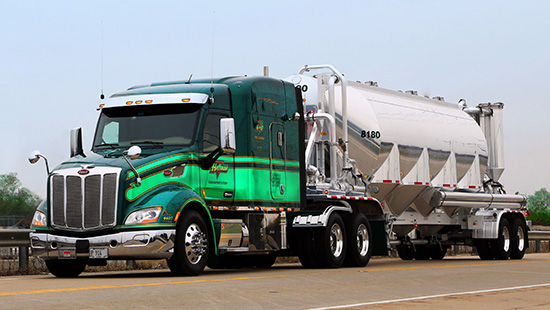
When companies choose bulk trucking for their shipping requirements, they usually benefit from better transit times and enhanced reliability. This shipping method is built to effectively manage high volumes of products, decreasing the total number of hauls. Through combining loads, companies can minimize delays associated with loading and unloading, which ensures faster movement.
Furthermore, bulk trucking typically involves fewer stops, which makes the delivery process more efficient. Many bulk trucking companies utilize advanced logistics and tracking technologies, providing real-time updates that improve clarity and responsibility. This transparency allows firms to plan better, ensuring that products arrive on schedule.
In addition, bulk hauling's consistency is supported by skilled drivers and well-maintained vehicles, minimizing the chance of mechanical failures or holdups. Therefore, businesses can rely on bulk transport providers to reliably hit their transit targets, which ultimately boosts client happiness and solidifying business connections.
Superior Load Size and Flexibility
Although many shipping methods restrict cargo volume, bulk transport provides greater hauling volume allowing firms to ship significant volumes of materials in one trip. This capability is particularly beneficial for industries requiring the movement of large volumes, including mining, construction, and agriculture. Employing vehicles tailored for bulk cargo, companies can streamline their transport operations, minimizing the hauls necessary for delivery.
Moreover, bulk transport offers versatility in how loads are arranged, accommodating various types of products, such as powders, grains, and liquids. This adaptability enables businesses to respond to fluctuating demands and effectively handle their logistics network without sacrificing volume. By utilizing the greater volume and adaptability of bulk transport, firms can simplify their workflows, reduce shipping expenses and ensure a more dependable shipping procedure. Ultimately, this choice offers a viable answer for companies seeking to maximize shipping efficiency and meet customer expectations.
Streamlined Supply Chain Management
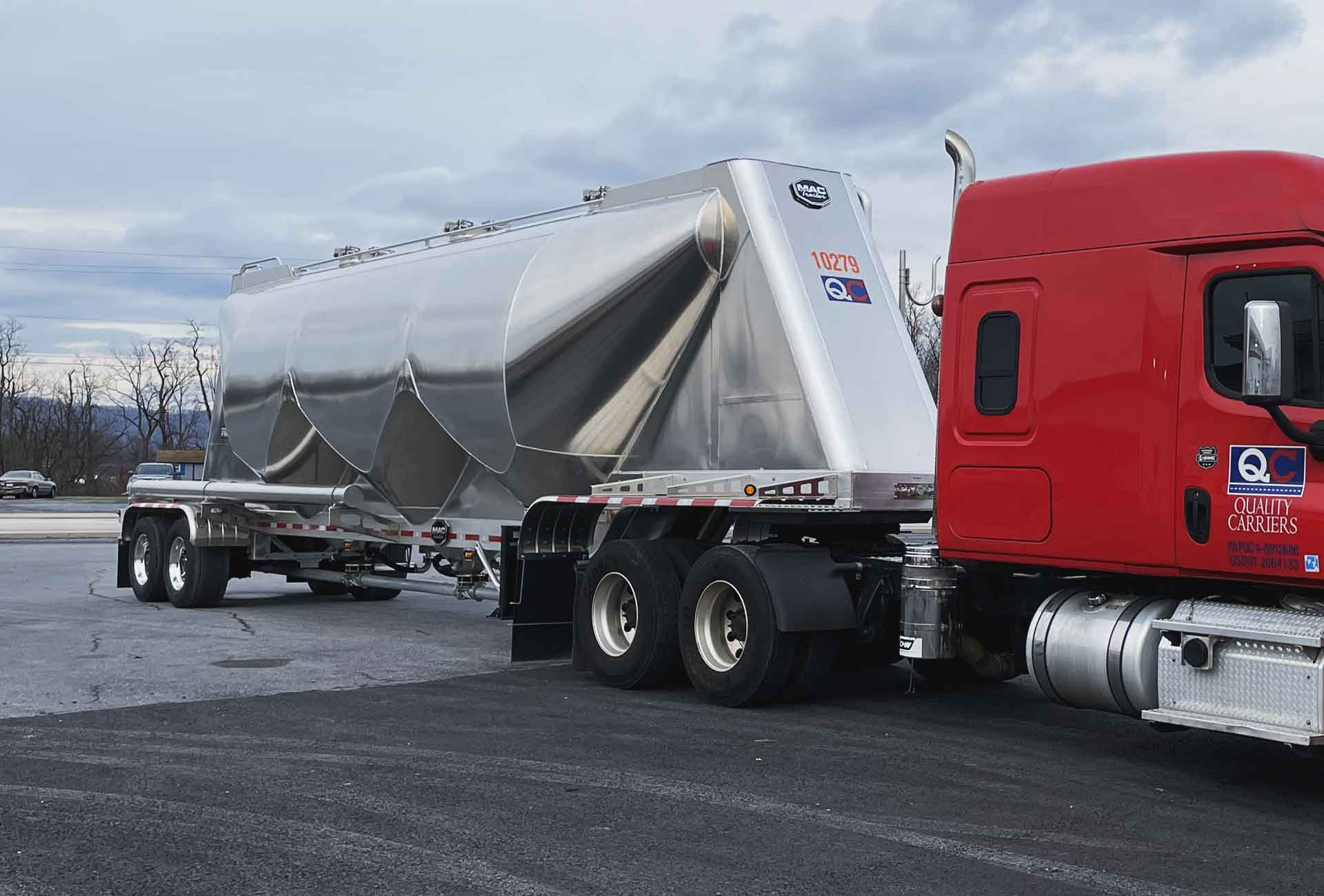
Efficient SCM processes becomes increasingly achievable with the addition of mass hauling into logistics operations. By combining loads, businesses can reduce transportation costs and quicken transit schedules. Large-scale transport allows for the shipping of larger quantities of goods in fewer trips, minimizing the complexity associated with multiple shipments. This streamlining allows for superior warehouse organization, as companies can accept and dispatch items more rapidly.
Furthermore, bulk trucking enhances communication and cooperation among SCM stakeholders. With less transporters utilized, shipment visibility is streamlined, which provides greater clarity and quicker response times to emerging difficulties. The dependability of bulk trucking information also guarantees that goods arrive at their destinations in optimal state, reducing the likelihood of transit issues. Overall, integrating bulk trucking into SCM frameworks fosters a more cohesive and streamlined transport system, helping companies and their customers alike.
Frequently Asked Questions
Which Products Are Ideal for Bulk Trucking?
Large-scale hauling is best for moving significant amounts of product such as farm produce, raw materials, chemicals, and groceries. These goods gain from streamlined, affordable transport options, cutting down on manual processing and decreasing transit expenses.
How Do I Find a Dependable Transport Company?

To find a reliable bulk trucking provider, one should check digital feedback, seek recommendations from industry peers, evaluate certifications, and get multiple bids - Illinois top rated Bulk Trucking. Additionally, evaluating the provider’s experience and truck capacity is essential for selecting wisely
What is the Typical Delivery Period for Mass Deliveries?
The average transit time for bulk shipments usually falls between 24 to 72 hours, varying by the route length, traffic situations, and the type of cargo. Variability in these factors can significantly alter transit times.
Do Weight Limits Apply for Bulk Trucking Loads?
Yes, bulk trucking loads are usually subject to weight limits, which change regionally and vehicle type. Illinois top rated Bulk Trucking. Regulations provide security and regulatory conformity, often limiting loads to approximately 80,000 pounds for conventional transport on interstates
Is Bulk Transport Manage Temperature-Controlled Freight?
Yes, bulk trucking can accommodate temperature-sensitive shipments by utilizing specialized equipment, such as refrigerated trailers. This feature guarantees that sensitive products maintain their required temperatures during transit, safeguarding their condition and quality.