Understanding Bulk Trucking: Essential Services for Streamlined Cargo Delivery
Bulk transport is a crucial component in the supply chain management of moving massive quantities of freight. It spans numerous sectors, ensuring that materials are delivered efficiently and with maximum cost efficiency. By using dedicated trucks, this service minimizes the risks involved in handling and improves transport velocity. Yet, the domain of bulk trucking is evolving. Knowing its intricacies can provide insights into its increasing importance in today's logistics networks. What components result to its success?
What Is Bulk Trucking?
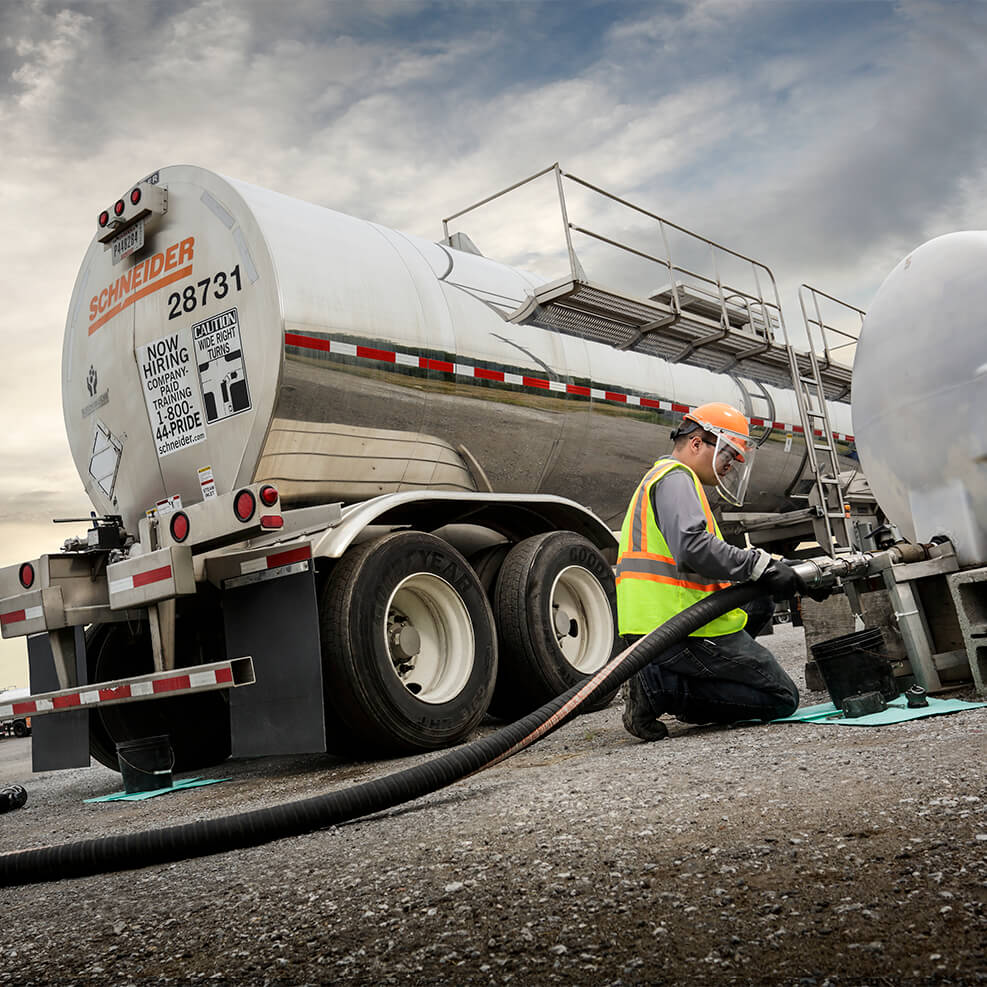
Bulk transport involves the movement of substantial volumes of goods, typically in liquid or dry form, employing dedicated trucks. This method is vital for sectors requiring the movement of substantial loads, such as agriculture, chemicals, and construction. Bulk trucks, including tankers for liquids and dry material hopper trucks, are engineered to optimally control and haul these bulk materials.
The logistics of bulk trucking demand precise preparation and coordination, ensuring that the right vehicle is applied to particular goods to prevent contamination and damage. Furthermore, standards controlling bulk hauling mandate compliance with safety criteria, particularly for hazardous materials.
Bulk transport is a key factor in the supply chain, aiding the quick movement of vital products while optimizing costs associated with transportation. By utilizing this approach, businesses can streamline their operations, ensuring a steady flow of materials required for manufacturing and other processes.
Major Advantages of Bulk Transport
Although various transport options are available, bulk trucking offers distinct advantages that can significantly improve workflow effectiveness for various industries. A key upside is cost efficiency; bulk trucking typically lowers the cost per unit shipped due to the ability to transport massive quantities at once. This efficiency results in reduced total hauling costs, rendering it a desirable choice for businesses.
Moreover, bulk hauling delivers versatility in scheduling and routing, enabling firms to adjust rapidly to changing demands. The capacity to move various kinds of cargo, including raw materials and consumer goods, significantly increases its attractiveness.
Furthermore, bulk trucking can accelerate transit times, as efficient operations and direct routes cut down on travel time. Improved load management also means less manual handling, diminishing the risk of damage during transport. Taken together, these key benefits make bulk trucking an essential logistics solution for industries demanding reliability and efficiency in their supply chains.
Types of Bulk Cargo Transported
Multiple sectors depend on bulk trucking to move diverse categories of freight. Among the most common types includes farm produce, like grains, fertilizers, and animal feed. These goods are typically transported in high volumes, meaning specialized bulk trucks are needed designed for effective loading and unloading.
Furthermore, construction materials like sand, gravel, and cement are frequently moved using bulk trucking services. These goods are crucial to various construction projects and demand on-time delivery to maintain project schedules.
Chemical substances, like both liquid and dry chemicals, also make up a large part of bulk cargo. These chemicals necessitate prudent handling and compliance with safety regulations in transit.
In addition, food products, like sugar and flour, are transported in bulk to fulfill manufacturing and distribution requirements. In conclusion, the range of bulk cargo demonstrates the flexibility and value of bulk trucking in aiding diverse economic sectors.
How Technology Affects Bulk Trucking
In what ways has technology changed the field of bulk trucking? Incorporating advanced technologies has boosted operational efficiency and safety within the bulk trucking industry. GPS systems permit live tracking of cargo and vehicles, facilitating timely deliveries and improved route planning. Moreover, telematics has become a vital tool, offering key data regarding vehicle performance, fuel consumption, and driver behavior, ultimately leading to cost savings and reduced environmental impact
(Illinois top rated Bulk Trucking)In addition, automated systems for inventory management streamline loading and unloading processes, reducing delays and increasing productivity. Digital communication tools are vitally important, joining drivers, logistics supervisors, and customers smoothly. The ability to connect fosters transparency and boosts service quality by giving reliable status reports regarding the status of the shipment. With the ongoing evolution of the sector, these technological advancements will further reshape bulk trucking, pioneering new methods and improving service quality within a cutthroat environment
Selecting the Appropriate Bulk Hauling Provider
Selecting the appropriate bulk trucking service is crucial for firms looking to improve their logistical processes. Firms ought to commence by assessing their unique freight needs, such as the kind of goods being hauled and the volume. Checking the copyright's history in dealing with like deliveries can provide insight into their capabilities.
Moreover, firms need to evaluate the provider's area of operation, to verify the transport firm can efficiently reach the intended destinations. A further critical element is the provider's safety record and following of regulatory standards, which significantly influences the dependability of the service.
The expense is another crucial element; however, businesses should weigh pricing versus the standard of service so as not to sacrifice on critical aspects. Lastly, client assistance and methods of communication are essential in preserving openness throughout the shipping process. By carefully analyzing these aspects, companies can select a bulk trucking service that matches their business requirements and objectives.
Q&A Section
How Much Does It Usually Cost Associated With Bulk Trucking Services?
The usual costs involved in bulk hauling involve gasoline charges, driver wages, maintenance fees, coverage, and road fees. Furthermore, pricing can fluctuate based on distance, the nature of the load, and sector needs, impacting overall pricing structures.
How Should I Get My Load Ready for Bulk Trucking?

To ready your load for bulk transport, verify suitable containment, secure load stability, check the maximum allowed weight, and label contents clearly. Furthermore, check for any wear and tear and comply with safety standards to allow for smooth transit and drop-off.
What Are the Necessary Safety Standards for Bulk Haulage?
Safety regulations for bulk trucking encompass observing weight restrictions, proper securing of cargo, adherence to dangerous goods regulations, routine truck maintenance checks, and driver training requirements to guarantee safe transportation and minimize accident risks. - Illinois top rated Bulk Trucking
- Illinois top rated Bulk Trucking
What Measures Do Bulk Carriers Take for Delays?
Bulk trucking companies address interruptions by notifying customers in advance, modifying timelines, and rerouting loads as needed. They also utilize technology to monitor shipments, providing real-time information and lessening disturbances in the logistics network.
Do Bulk Carriers Offer International Transportation Services?
Certainly, bulk transport supports global shipping by collaborating with logistics partners and using purpose-built vehicles. These companies guarantee compliance with international regulations, facilitating seamless cross-border transport for various bulk commodities all while prioritizing safety and begin here speed.