Uncovering the Advantages of Opting for Bulk Freight Transport for Your Transportation Requirements
Bulk haulage provides a smart solution for firms seeking to streamline their transport operations. When combining loads, businesses are able to realize substantial reductions in cost and lower their impact on the environment. In addition, this method offers enhanced trustworthiness and versatility in delivery schedules - Illinois top rated Bulk Trucking. Given the evolution of transport operations develop, grasping the specifics of bulk trucking becomes essential for maintaining a competitive edge. What other advantages might this method show for today's organizations?
Financial Benefits from Economies of Scale
While numerous companies are dealing with increasing shipping expenses, bulk trucking offers substantial financial benefits through economies of scale. Through the grouping of deliveries, companies can reduce the per-unit cost of transportation, as more substantial loads permit more efficient use of resources such as fuel and labor. Such efficiency results in reduced total costs, thereby positioning bulk haulage as a favorable solution for companies seeking to streamline their supply chain.
Furthermore, this method decreases the amount of travel needed, which further decreases costs associated with fleet servicing and labor costs. Companies can negotiate better rates with transport providers when committing to larger volumes, helping them realize reduced shipping fees. As a result, companies are able to direct their financial gains towards different parts of the business, improving their market position. In conclusion, the economic advantages of bulk trucking establish it as a key strategy for businesses striving for better financial results while ensuring effective transport management.
Minimizing Environmental Harm
This method plays a major role in a lower ecological footprint, establishing it as a sustainable solution for moving goods. Through the grouping of loads, bulk trucking minimizes the number of trips required to ship items, which thereby reduces gasoline usage and harmful emissions. The streamlined approach to transporting large quantities of materials means less trucks are needed for transport, easing road blockage and damage to roads.
Furthermore, many bulk trucking companies are implementing greener methods, such as utilizing fuel-efficient vehicles and streamlining delivery routes to reduce their environmental impact even more. Implementing sophisticated tools in the supply chain further assists with checking carbon output and boosting operational performance. With businesses increasingly prioritizing environmental responsibility, selecting bulk hauling doesn't just support green efforts but also meets CSR objectives. Thus, bulk hauling offers a viable option for businesses looking to reduce their ecological footprint while still meeting their transportation needs.
Enhanced Delivery Speed and Dependability

When companies choose bulk trucking for their transportation needs, they often experience improved delivery times and greater trustworthiness. This shipping method is built to effectively manage high volumes of products, minimizing the required trips. By consolidating shipments, companies can minimize delays associated with loading and unloading, resulting in quicker delivery speeds.
Moreover, bulk complete guide trucking typically involves fewer stops, which simplifies the shipping operation. A lot of bulk transport firms use modern logistics and tracking systems, giving instant information that improve clarity and responsibility. Having this visibility enables companies to plan efficiently, guaranteeing that items reach their destination on time.
Moreover, bulk hauling's consistency is supported by skilled drivers and well-maintained vehicles, minimizing the chance of mechanical failures or holdups. As a result, companies can depend on bulk trucking services to reliably hit their transit targets, thereby enhancing customer contentment and reinforcing business relationships.
Superior Load Size and Flexibility
Although many shipping methods restrict cargo volume, bulk trucking offers enhanced load capacity enabling businesses to move large amounts of products in one trip. This feature is especially advantageous for sectors needing to move high quantities of materials, such as agriculture, construction, and mining. Using specialized trucks built for bulk goods, firms can improve their delivery methods, reducing the number of trips needed to deliver goods.
Furthermore, bulk hauling allows adaptability in cargo setup, accommodating various types of products, including liquids, grains, and powders. This flexibility helps firms adjust to evolving needs and efficiently manage their supply chain without compromising on capacity. By taking advantage of bulk trucking's flexibility and capacity, firms can simplify their workflows, reduce shipping expenses and ensure a more dependable shipping procedure. In the end, this option presents a practical solution for businesses looking to optimize transport effectiveness and satisfy client demands.
Optimized Logistics Network Control
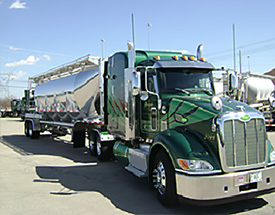
Optimized logistics coordination is readily possible with the incorporation of bulk trucking into logistics operations. By grouping deliveries, businesses can lower shipping expenses and improve delivery times. Large-scale transport enables the transfer of greater volumes of cargo in less journeys, lessening the difficulty of handling many separate loads. This effectiveness allows for better inventory management, as companies can get and send out goods with greater speed.
Furthermore, bulk trucking enhances communication and collaboration among logistics collaborators. With less transporters utilized, monitoring deliveries is easier, which provides greater clarity and more rapid responses to emerging difficulties. The trustworthiness of bulk trucking also guarantees that goods arrive at their destinations in prime condition, minimizing the possibility of transit issues. In summary, incorporating mass transport into SCM frameworks fosters a more cohesive and efficient logistics framework, helping companies and their customers alike.
FAQs
Which Products Are Ideal for Mass Transport?
Large-scale hauling is best for transporting large quantities of goods such as agricultural products, construction materials, industrial compounds, and perishable goods. These goods profit from streamlined, affordable transport options, minimizing manipulation and decreasing transit expenses.
How Do I Find a Reliable Bulk Trucking Provider?
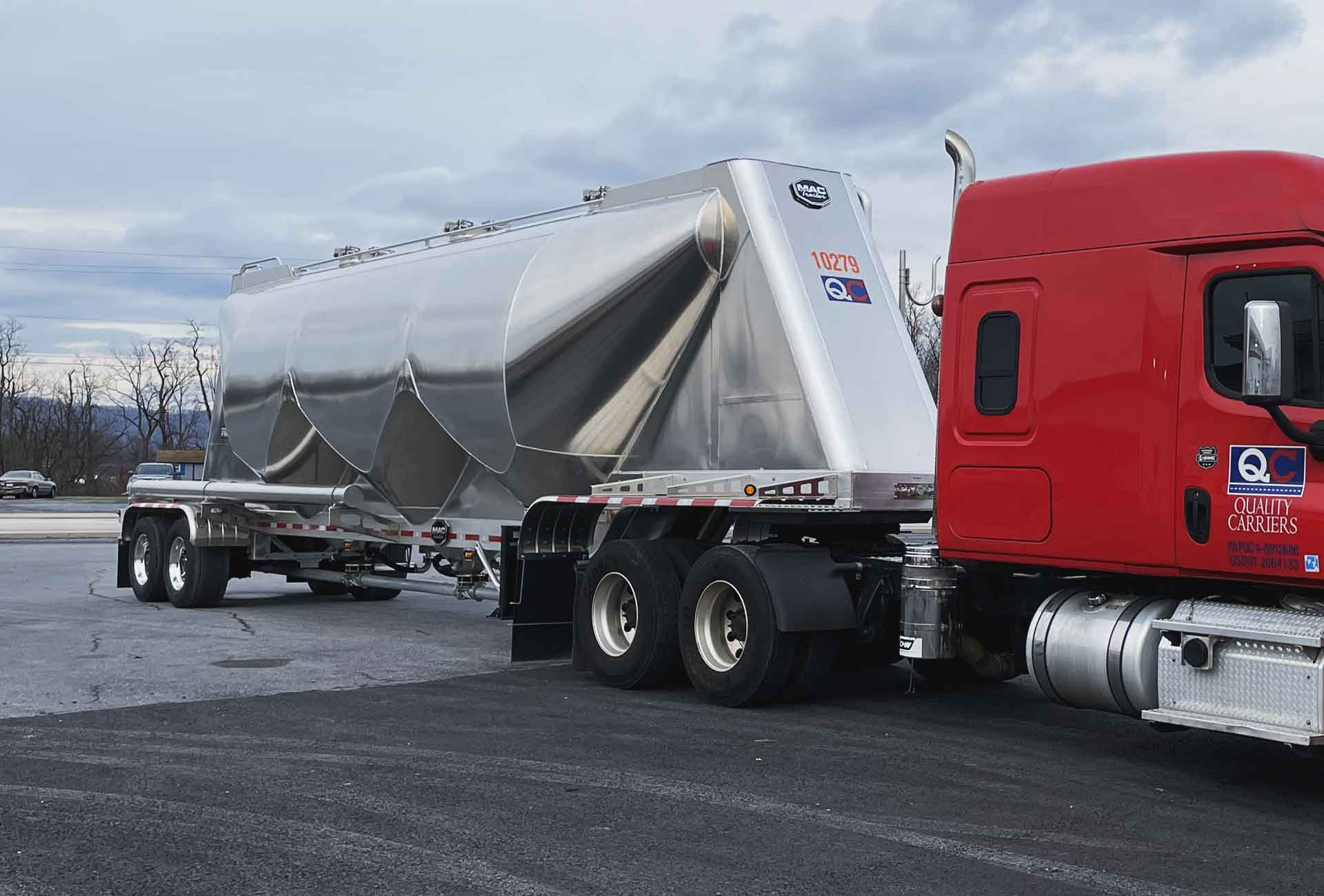
To find a trustworthy logistics firm, one should research online reviews, seek recommendations from industry peers, evaluate certifications, and compare quotes - Illinois top rated Bulk Trucking. Additionally, checking the hauler's background and vehicle resources is crucial to informed decision-making
What Is the Average Transit Time for Bulk Shipments?
The standard shipping duration for bulk shipments usually falls between 24 to 72 hours, depending on distance, road quality, and the nature of the freight. Changes in these elements can significantly alter transit times.
Are There Limits on Mass for Mass Transport Shipments?
Absolutely, bulk trucking loads are usually subject to weight limits, which differ by region and vehicle type. Illinois top rated Bulk Trucking. Regulations ensure adherence and security, often limiting loads to around 80K pounds for conventional transport on interstates
Are Bulk Carriers Manage Temperature-Sensitive Shipments?
Certainly, bulk trucking can manage goods requiring climate control through the use of dedicated machinery, including refrigerated trailers. This capability ensures that perishable goods keep their specified temperature range throughout the journey, safeguarding their condition and quality.