How Bulk Trucking Enhances Supply Chain Performance Across Industries
This mode of transport plays a pivotal role in modern supply chains, affecting numerous sectors through enhanced performance and reducing costs. This method's ability to ship high volumes of material over long distances allows businesses to respond swiftly to consumer requirements. This transport method brings up considerations regarding efficient logistics and ecological responsibility. Grasping the diverse advantages and difficulties of heavy-duty transport could transform how companies handle their operational strategies. What knowledge can we gain by delving into this essential topic?
Why Bulk Trucking Matters in Modern Supply Chains
While many facets of logistics operations are essential, bulk trucking stands out as an essential component in ensuring efficiency and expense control. Bulk hauling permits firms to move large quantities of goods over long distances, markedly decreasing the amount of hauls relative to less-than-truckload freight. The streamlined nature of this transport method reduces cargo handling and transit times, a factor vital to keep stock levels stable and satisfying consumer needs rapidly.
Moreover, bulk trucking supports a range of industries, such as farming, production, and commerce, by ensuring a trustworthy way of transporting raw materials and finished products. The ability of bulk trucking to handle various types of freight promotes adaptability within supply chains, allowing companies to adjust to changing market demands. Since customers demand more and more speedy shipment, the tactical deployment of heavy-duty transport becomes a pivotal factor in enhancing overall supply chain performance, which finally leads to greater competitiveness in the commercial arena.
Maximizing Cost Efficiency: How Bulk Trucking Reduces Transportation Expenses
Heavy-duty hauling significantly reduces logistics expenditures, making it an attractive option for firms looking to streamline their supply chain management. Through optimizing cargo volume, heavy transport enables firms to move greater volumes of material with fewer journeys, significantly lowering energy expenses and driver labor expenses. This optimization proves especially helpful for businesses managing weighty goods, like building or farming, where traditional freight methods might be less economical.
Moreover, heavy hauling usually entails in fewer handling and loading processes, minimizing the risk of damage and holdups linked to various deliveries. The scale benefits realized through bulk transport may further cause lower overall pricing from carriers, additionally boosting expense reduction. Therefore, organizations can distribute funds more efficiently, which permits reinvestment in other functional areas. In summary, the economic benefit of bulk trucking is considered a crucial component in building a competitive supply chain strategy.
Enhancing Operational Flexibility Using Bulk Trucking Solutions
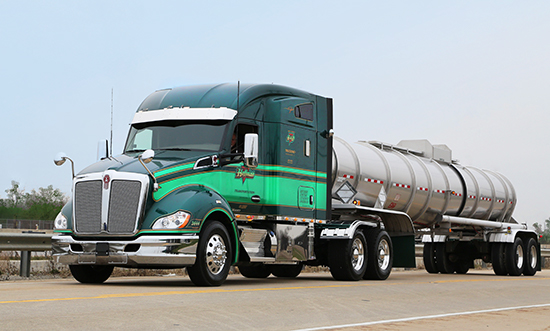
Bulk trucking solutions play an essential role in boosting operational flexibility in supply chains. By enabling companies to rapidly respond to demand changes, these solutions streamline transportation processes and boost overall efficiency. This adaptability not only meets customer needs but also optimizes resource allocation and lowers lead times.
Adapting to Demand Changes
In the current volatile market, businesses are increasingly aware of the importance of operational flexibility to handle shifting demand patterns. Bulk trucking is instrumental in this adaptability, providing companies with the capability to expand or contract their transportation solutions rapidly. By using bulk trucking, organizations can effectively handle inventory levels and react to fluctuations in demand without generating excessive costs. This flexibility allows for the transportation of large quantities of goods quickly, lowering lead times and increasing customer satisfaction. Moreover, bulk trucking solutions can smoothly manage changes in production schedules or unexpected market shifts, ensuring that businesses keep a competitive edge. Overall, adapting to demand changes through bulk trucking is necessary for optimizing supply chain efficiency.
Efficient Transportation Processes
Operational flexibility is further improved through optimized transportation processes that make use of bulk trucking solutions. These solutions let organizations optimize their supply chain by minimizing transit times and enhancing load management. Through the use of bulk trucking, businesses can group together shipments, cutting down the number of trips required and thereby decreasing transportation costs. Modern tracking systems provide real-time visibility, allowing for better planning and faster response times to unexpected disruptions. In addition, the adaptability of bulk trucking allows for easy adjustments to logistics strategies, handling fluctuating demand. Therefore, industries benefit from enhanced efficiency, lower operational delays, and increased overall competitiveness. Optimized transportation processes, therefore, play an essential role in maximizing the advantages offered by bulk trucking in supply chain management.
Sustainability Benefits of Bulk Trucking in Logistics Operations
Bulk trucking offers significant ecological benefits in the realm of SCM. By consolidating shipments, this results in reduced carbon emissions and promotes efficient fuel consumption. These advantages not only contribute to sustainability efforts but also boost the general performance of supply chain activities.
Decreased CO2 Output
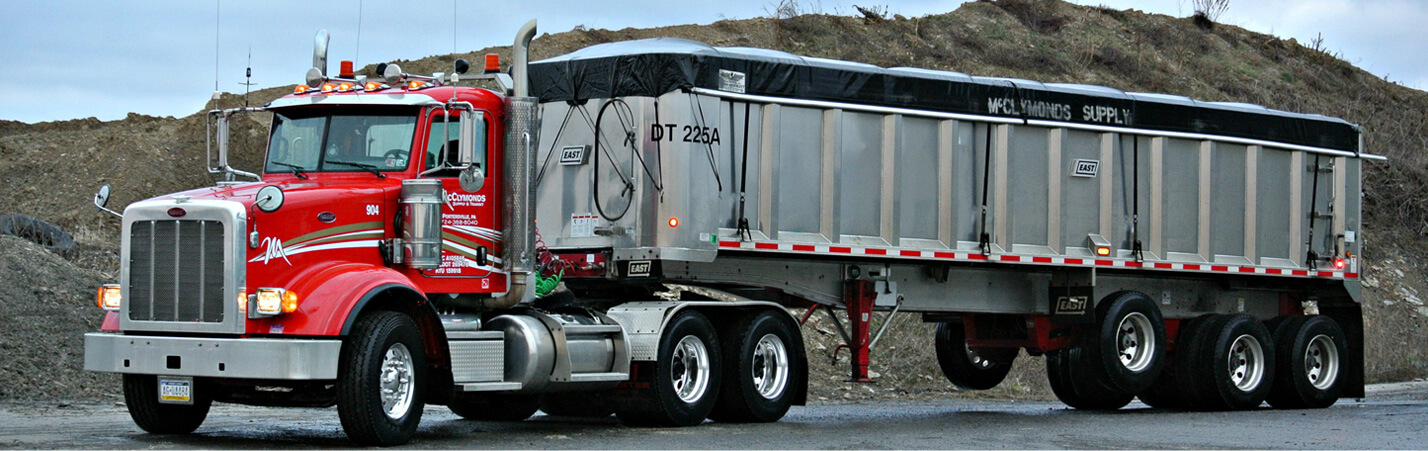
Lowering the carbon footprint stands as a pivotal advantage of implementing high-capacity hauling in SCM. By hauling more items in fewer trips, consolidated transport substantially lowers the number of vehicles on the road. This consolidation not only minimizes traffic jams but also results in decreased total emissions. In addition, high-capacity hauling facilitates more streamlined routes, further reducing the ecological impact linked to supply chain processes. Less frequent hauling contributes to less fuel consumption, resulting in a decrease in greenhouse gas emissions. As industries increasingly prioritize sustainability, bulk trucking's ecological upsides align with corporate social responsibility goals, positioning companies as environmentally conscious leaders in their specific sectors. Adopting high-capacity transport constitutes an important action in addressing environmental challenges.
Effective Energy Utilization
Maximizing fuel efficiency emerges as a key benefit of bulk trucking in logistics operations. High-capacity transport cuts down on necessary journeys to transport large quantities of goods, causing substantial cost savings. Via shipment consolidation, companies minimize the overall fuel consumption relative to the cargo volume. This optimization does more than reduce running expenses but also contributes to environmental sustainability. As fewer trucks are needed on the road, harmful emissions decrease, further enhancing the ecological impact of bulk trucking. Moreover, improvements in engine design and streamlined travel paths used in consolidated transport continue to boost fuel economy, solidifying its role as an key factor for firms seeking SCM improvements while acting sustainably.
Real-World Results: Case Studies of High-Capacity Hauling Throughout Multiple Markets
While most industries need reliable logistics, bulk trucking proves to be an essential factor for success in industries spanning agriculture to construction. In agriculture, a leading grain company employed bulk trucking to make the distribution of crops more efficient, shortening delivery schedules by 30% and markedly bringing down transportation expenditures. At the same time, in the construction industry, a significant construction firm employed bulk trucking to ship construction materials, which bettered project completion times and lessened interruptions from material deficits. A significant drinks maker also employed bulk trucking for their essential ingredients, facilitating prompt, on-demand delivery that enhanced production efficiency. These case studies illustrate how bulk trucking not only optimizes logistics but fosters collaboration and responsiveness across the logistics network (Illinois top rated Bulk Trucking). By catering to the distinct demands of each field, bulk trucking proves to be an invaluable asset, driving operational success and competitive advantage across multiple sectors
Managing Hurdles in Bulk Trucking Transport
As the demand for bulk trucking services continues to grow, several difficulties surface that transport providers need to expertly handle. One primary challenge is the fluctuation of regulatory requirements in various geographical areas, which may make compliance difficult and lead to delays. Moreover, changes in fuel expenses can impact operational costs, making strategic foresight and budgeting essential.
Another issue involves safeguarding the safety and soundness of materials being shipped in bulk, which necessitates dedicated equipment and qualified staff. Firms must also deal with scheduling and route streamlining to reduce shipping durations while boosting effectiveness.
Moreover, driver shortages exacerbate these issues, making it critical for logistics firms to invest in training and retention strategies. By tackling these issues using innovation, technology, and sound management methods, businesses can upgrade their bulk trucking transport and guarantee a seamless supply chain experience for their clients.
Future Trends: The Evolving Role of Bulk Trucking in Supply Chains
Even though the supply chain environment is quickly transforming, bulk trucking remains an essential component, modifying itself to satisfy the developing requirements of industries. Bulk trucking's future is defined by tech improvements, like automation and instantaneous tracking, improving both efficiency and visibility. This evolution allows for optimized routes and reduced delivery times, contributing to a more resilient supply chain.
Environmental responsibility is also turning into a focus, as organizations increasingly pursue sustainable transportation choices. Electric and non-traditional fuel trucks are foreseen to play a key part, decreasing the emissions related to bulk hauling.
Additionally, the integration of data analytics helps firms to predict changes in the market and adapt their logistics plans as needed. Given the continued expansion and internationalization of sectors, bulk trucking is expected to evolve into a more flexible, responsive service, confirming its status as a vital component of current supply chain management.
Frequently Asked Questions
What Goods Are Usually Hauled Through Bulk Trucking?
Bulk trucking typically moves products such as related resource produce like grains and fertilizers, industrial materials such as chemicals and plastics, and food items including liquids and powders (Illinois top rated Bulk Trucking). These goods demand efficient, large-scale transportation solutions
What Effect Does Bulk Trucking Have on Delivery Schedules for Businesses?
Bulk transportation markedly cuts down delivery periods for firms by consolidating large quantities of goods, finding the best routes, and ensuring efficient loading and unloading processes, ultimately streamlining operations and boosting overall supply chain efficiency in different fields.
Which Regulatory Guidelines Apply to Bulk Hauling Activities?
Safety regulations governing bulk trucking operations include the standards set by the FMCSA, truck upkeep requirements, procedures for managing dangerous goods, driver training requirements, and weight limits, ensuring safe transportation practices and reducing hazards during transit.
How Should Businesses Pick the Ideal Bulk Trucking Provider?
Organizations should pick the ideal copyright by examining how long they have operated, safety performance, dependability of service, cost models, and testimonials from customers. Establishing clear communication and comprehending their supply chain's unique needs is necessary.
What Kind of Tech Is Employed in Bulk Transportation Logistics?
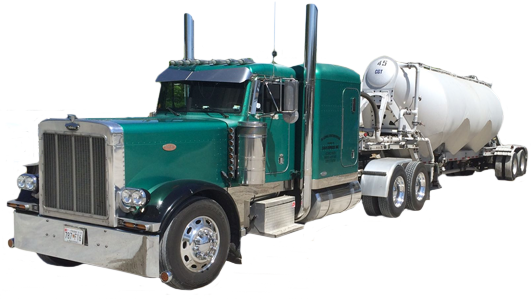
Different types of tech, including location tracking, fleet monitoring devices, route planning applications, and stock control systems, are utilized in bulk trucking logistics management to increase operational speed, track how vehicles are operating, and facilitate better communication among parties to optimize overall workflow.