Examining the Upsides of Opting for Bulk Trucking for Your Shipping Needs
Moving goods in bulk provides a smart solution for organizations striving to streamline their transport operations. By grouping deliveries, organizations can obtain significant cost savings and lower their impact on the environment. In addition, bulk transport ensures improved reliability and adaptability in delivery schedules - Illinois top rated Bulk Trucking. As the landscape of logistics management changes, grasping the specifics of bulk trucking is necessary for staying competitive. What additional upsides might this approach reveal for contemporary companies?
Achieving Cost Reduction Via Economies of Scale
Despite many firms are dealing with increasing shipping expenses, this method delivers substantial financial benefits through large-scale operations. Through the grouping of deliveries, businesses are able to lower the per-unit cost of transportation, as larger quantities allow for better utilization of assets such as fuel and labor. Such efficiency results in decreased operational spending, thereby positioning bulk haulage as an attractive option for companies seeking to streamline their supply chain.
Additionally, bulk trucking minimizes the frequency of trips required, which helps lower expenses even more associated with upkeep of trucks and staff salaries. Businesses are able to secure improved pricing with transport providers when committing to larger volumes, helping them realize lower delivery charges. Consequently, firms may dedicate their cost reductions towards other functions, boosting their competitiveness. Ultimately, the financial benefits of bulk transport position it as a smart decision for businesses striving for better financial results while maintaining efficient supply chain operations.
Decreased Impact on the Environment
Bulk trucking greatly contributes to a reduced environmental impact, positioning it as a green option for shipping. By consolidating shipments, bulk transport reduces the number of trips required to ship items, which thereby reduces energy use and carbon output. The streamlined approach to transporting large quantities of materials allows for fewer vehicles on the road, easing road blockage and damage to roads.
Moreover, a lot of haulage firms are moving toward environmentally friendly operations, such as deploying energy-saving fleets and streamlining delivery discover details on routes to further decrease their carbon footprint. Employing modern technology in the supply chain helps in monitoring emissions and improving total effectiveness. Given that corporations are emphasizing sustainability more, opting for bulk trucking not only aids environmental programs but also aligns with corporate social responsibility goals. In this way, bulk transport acts as an effective answer for businesses looking to reduce their ecological footprint and still completing their logistical requirements.
Faster Shipping and Greater Reliability
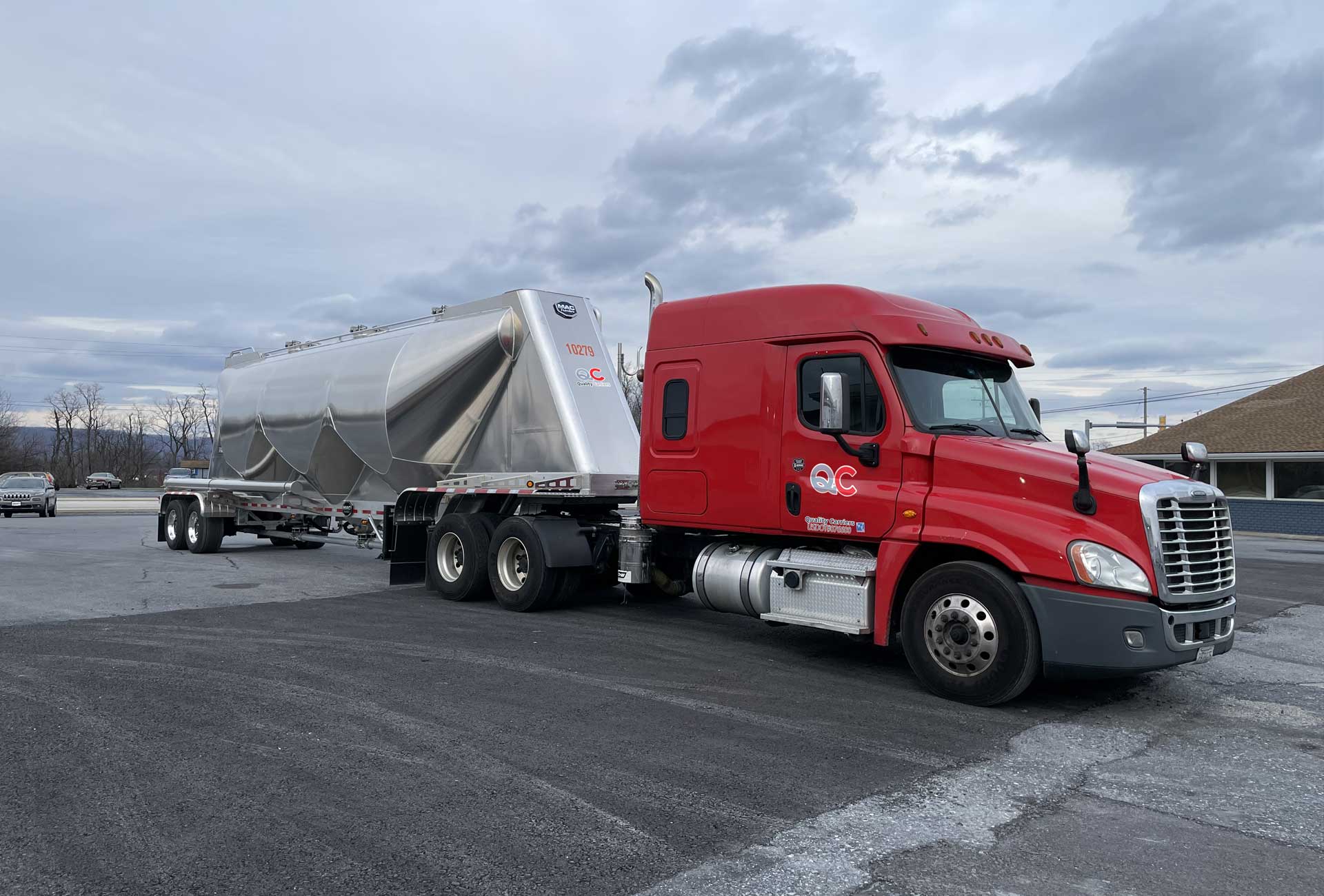
When companies choose bulk trucking for their transportation needs, they often experience improved delivery times and improved consistency. This transport option is engineered to efficiently move large amounts of cargo, reducing the number of trips required. By consolidating shipments, businesses can reduce holdups related to staging and destaging, leading to faster transit times.
Moreover, bulk transport usually requires fewer halts, which simplifies the shipping operation. Numerous bulk haulers employ cutting-edge tracking and logistics tools, giving instant information that increases visibility and oversight. Having this visibility enables companies to plan efficiently, guaranteeing that items reach their destination on time.
Moreover, bulk hauling's consistency is supported by skilled drivers and properly serviced trucks, reducing the risk of breakdowns or delays. In turn, businesses can rely on bulk transport providers to meet their shipping deadlines consistently, ultimately improving customer satisfaction and solidifying business connections.
Increased Hauling Volume and Adaptability
While many transportation options have limitations on load size, bulk trucking offers enhanced load capacity enabling businesses to move large amounts of products in a single haul. This feature is especially advantageous for industries that must transport massive volumes, like construction, agriculture, and mining. Using specialized trucks built for bulk goods, businesses can optimize their shipping processes, reducing the number of trips needed to deliver goods.
Furthermore, bulk hauling allows adaptability in cargo setup, allowing for diverse product types, like grains, liquids, and powders. This versatility allows companies to adapt to changing demands and efficiently manage their supply chain without compromising on capacity. By utilizing the greater volume and adaptability of bulk transport, companies can optimize their processes, reduce shipping expenses and guarantee a more reliable delivery process. In the end, this method provides an effective solution for companies seeking to maximize shipping efficiency and satisfy client demands.
Better Management of the Supply Chain
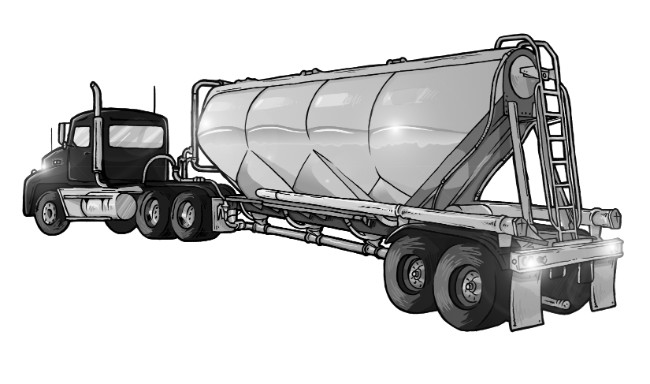
Optimized SCM processes is easier to achieve with the addition of bulk trucking into transport processes. By combining loads, businesses can cut down on transit expenditure and improve delivery times. Large-scale transport facilitates the movement of more products in fewer trips, lessening the difficulty associated with multiple shipments. This streamlining makes possible improved stock control, as companies can accept and dispatch items more rapidly.
Furthermore, bulk trucking strengthens interaction and cooperation among SCM stakeholders. With less transporters utilized, shipment visibility is streamlined, leading to improved visibility and more rapid responses to potential problems. The trustworthiness of bulk trucking also ensures that goods arrive at their destinations in prime condition, minimizing the possibility of delays or damages. Taken together, integrating bulk trucking into SCM frameworks creates a more unified and efficient logistics framework, benefiting businesses and their clientele equally.
Frequently Asked Questions
What Types of Goods Are Best Suited for Large-Scale Hauling?
Bulk trucking is ideal for shipping high volumes of cargo such as farm produce, building supplies, industrial compounds, and groceries. These goods gain from effective, economical delivery techniques, minimizing manipulation and minimizing overall transportation costs.
What Is the Process for Finding a Trustworthy Mass Hauler?

To find a trustworthy logistics firm, one should check digital feedback, seek recommendations from industry peers, evaluate certifications, and compare quotes - Illinois top rated Bulk Trucking. Furthermore, checking the hauler's background and fleet capability is essential for informed decision-making
What is the Typical Delivery Period for Bulk Shipments?
The average transit time for bulk shipments usually falls between 24 to 72 hours, varying by the route length, traffic situations, and the nature of the freight. Fluctuations in these conditions can affect delivery schedules considerably.
Do Weight Limits Apply for Mass Transport Shipments?
Yes, bulk trucking loads are usually subject to weight limits, which differ by region and vehicle type. Illinois top rated Bulk Trucking. Rules guarantee security and regulatory conformity, usually capping loads to around 80K pounds for standard trucks on highways
Is Bulk Transport Handle Temperature-Controlled Freight?
Certainly, bulk trucking is able to handle goods requiring climate control through the use of specific gear, like refrigerated trailers. This feature makes certain that temperature-dependent items maintain their required temperatures throughout the journey, safeguarding quality and freshness.